
Tanker Endorsement (N) Explained (2026): Surge, Pay & the X Combo
The Tanker endorsement is a written test with no background check that pays nearly as well as Hazmat. Learn surge and baffles, why it pays, and how to stack the X combo.
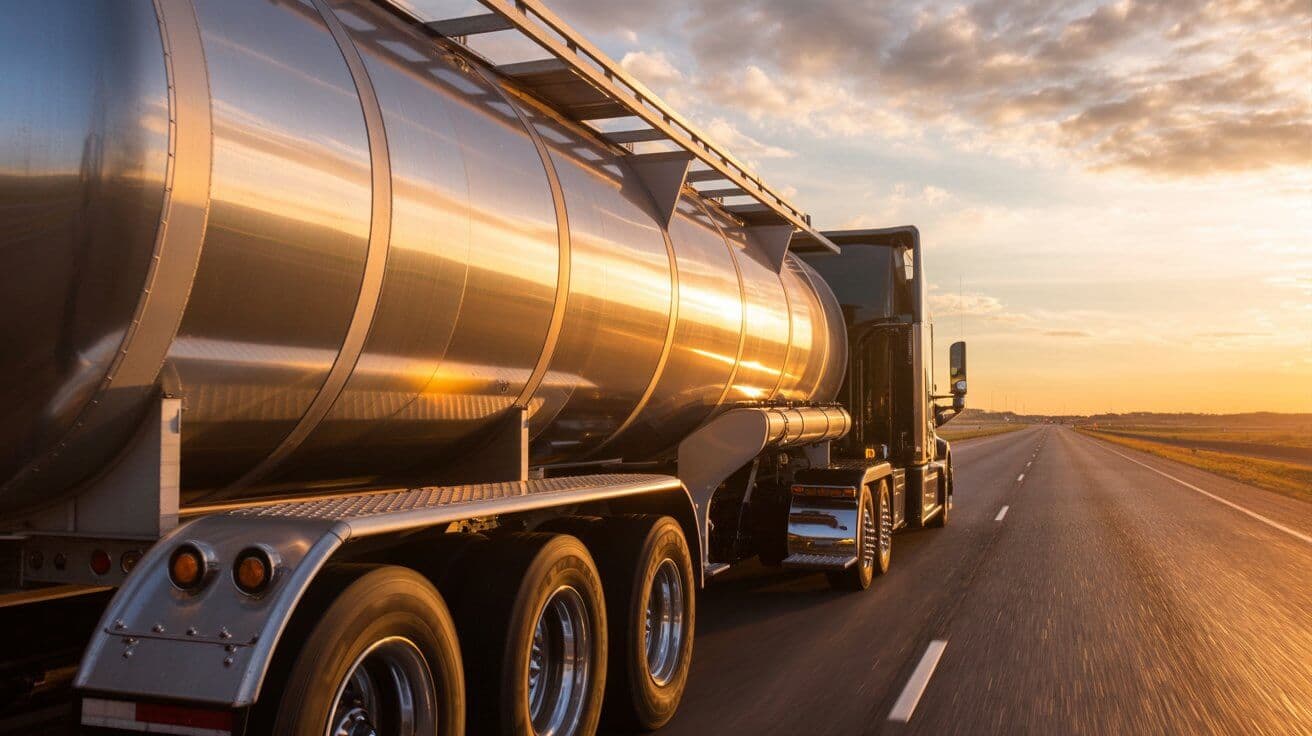
Hauling liquid is a different sport. The load behind you is alive. It surges, it shoves, and it has ended drivers who treated it like dry freight. That's exactly why the Tanker endorsement pays.
The first hard stop a driver makes with a half-loaded tank teaches more about surge than any manual ever could. Even veteran dry-van drivers with a million safe miles get genuinely rattled their first week pulling liquid. Respect the load and it pays back better than almost any other niche in trucking.
The Tanker endorsement (the "N" on your license) lets you haul liquids and gases in bulk tanks: milk, water, fuel, chemicals, and food-grade products. Here's the part most drivers miss. It's a written-only test with no federal background check, yet it pays nearly as well as Hazmat. That makes it the best effort-to-reward ratio of any endorsement you can add.
And when you pair Tanker (N) with Hazmat (H), you form the X endorsement, the credential that qualifies you to haul fuel, one of the highest-paid and most home-daily-friendly seats in the industry. For the full menu of endorsements, see our CDL Endorsements Guide.
1. Why Liquid Is Harder Than It Looks
A dry trailer is a fixed weight. A tank is not. The two physics concepts the test cares about, and that keep you alive, are surge and baffles.
Surge
When you brake, the liquid keeps moving forward and then sloshes back. That wave of momentum can shove your truck into the intersection after you've stopped, or push you sideways in a turn. Smooth, gradual braking isn't a preference with a tanker. It's survival.
Baffles vs. Smooth Bore
Baffled tanks have bulkheads with holes that slow the front-to-back surge. Smooth-bore tanks, common for food-grade loads that must be cleaned easily, have nothing to stop the surge, which makes them the most dangerous to drive. The test will ask you to identify the difference and explain why smooth-bore demands extra caution.
Exam Tip: Expect questions on "side-to-side surge" and why you should brake well before a curve, not in it. The recurring theme is that a tanker punishes sudden inputs.
2. Why the Tanker Endorsement Pays
Tanker work commands a premium for three reasons: the skill barrier, since most drivers never master surge; the specialized equipment; and the fact that liquid freight, especially fuel and chemicals, runs on tight, safety-critical schedules. Add the X combo and you're in fuel hauling, where local routes routinely out-earn over-the-road dry van. For the full breakdown of how endorsements move your paycheck, see our Truck Driver Salary Reality guide.
3. The X Combo: Tanker + Hazmat
The X endorsement isn't a third test. It's what your license shows when you hold both N (Tanker) and H (Hazmat). That combination unlocks liquid hazardous loads such as gasoline, diesel, and chemicals, and that's where the money concentrates.
The Strategic Order: Get Tanker first, because it's just a written test you can pass this week. Then layer on Hazmat, which takes longer due to the TSA background check. By the time your Hazmat clears, you'll already be eligible for the X the moment it posts. Our Hazmat Endorsement Guide covers that side, and the Hazmat Practice Test gets you ready for the exam.
4. The Written Test
The Tanker exam is drawn from the tank-vehicle chapter of your state CDL handbook. Core topics include inspecting tanks, surge management, baffled versus smooth-bore handling, and the rules for when a vehicle counts as a tank vehicle. There's no background check and no fingerprinting, just the knowledge test and a small endorsement fee. Use the same approach from our Permit Test Master Guide to clear it on the first try.
5. Types of Tanker Jobs (And What They Pay)
"Tanker" isn't one job. The endorsement opens several distinct freight worlds, each with its own pay, schedule, and difficulty. Knowing them helps you target the right seat.
| Tanker Type | What You Haul | Pay & Lifestyle |
|---|---|---|
| Fuel (X combo) | Gasoline, diesel, jet fuel | Highest pay, often local and home-daily |
| Chemical | Acids, solvents, industrial liquids | High pay, requires Hazmat, more regulation |
| Food-grade | Milk, juice, edible oils | Steady, smooth-bore tanks, frequent washouts |
| Dry bulk (pneumatic) | Cement, sand, plastic pellets | Physical loading/unloading, good pay |
| Water / non-hazardous | Water, waste, non-haz liquids | Entry-friendly, no Hazmat needed |
If you're new to tankers, non-hazardous liquid or water hauling is the gentlest way to build surge experience before you move into fuel or chemical work, where the pay climbs but the stakes rise with it.
6. The Tanker Skills Test
Most states grant the Tanker endorsement on the written test alone, but driving a tank vehicle is a skill the written exam can't measure. Before you accept your first tanker job, expect real coaching on the road, because the surge you read about behaves very differently when you're the one braking. Carriers often run new tanker drivers through additional in-house training for exactly this reason. The handling fundamentals overlap with your inspection routine, so review our Pre-Trip Inspection Guide, paying special attention to the tank-specific checks: vents, manhole covers, valves, and leak inspection.
7. Is Tanker Right for You?
Tanker work rewards smooth, patient drivers and punishes aggressive ones. If you brake late, take corners hard, or get impatient in traffic, the surge will make your life miserable and dangerous. If you're methodical and calm, tanker is one of the best-paid, most respected niches in trucking, and the skill becomes second nature within a few months. For drivers who fit, the X combo is the clearest path to top-tier pay without leaving home for weeks at a time. Weigh it against the over-the-road lifestyle in our trucking career deal-breakers guide.
Frequently Asked Questions
Is there a background check for the Tanker endorsement?
No. Unlike Hazmat, the Tanker endorsement requires only a written knowledge test and a small fee. There's no fingerprinting or TSA check.
What is the X endorsement?
The X endorsement is the combination of Hazmat (H) and Tanker (N). It qualifies you to haul liquid hazardous materials such as fuel, and it's among the best-paid work in trucking.
Is the Tanker endorsement worth it?
Yes. It's a one-test, no-background-check upgrade that opens a higher pay tier, and it sets up the lucrative X combo when paired with Hazmat.
The fees, distances, and procedures in this guide were fact-checked against FMCSA regulations and your state CDL manual and last reviewed in June 2026. Fees and state-specific steps change, so always confirm the current details with your state DMV before you apply.
The Bottom Line
The Tanker endorsement is the smartest cheap upgrade in trucking: one written test, no background check, and a pay tier most drivers never reach. Stack it with Hazmat and you're holding the keys to fuel hauling.
Your Action Plan:
- Study the tank-vehicle chapter, focusing on surge and baffles.
- Pass the written test and pay the endorsement fee.
- Start your Hazmat background check to set up the X combo.
- Target local fuel and chemical lanes for home-daily, high pay.
Ready to start? Find schools that train tanker operations in our CDL school directory, or compare every option in our CDL Endorsements Guide.
External Resource: Official FMCSA Endorsements & Restrictions.
Ready to Find CDL Schools?
Search for CDL training programs in your area. Start your journey to becoming a professional truck driver today.
Find CDL Schools Near YouRelated Articles
Doubles/Triples (T) & the Air Brake Restriction (2026): The Quick Wins
The Doubles/Triples endorsement is one written test that opens LTL freight. And the air brake (L) restriction is the silent job-killer most new drivers never fix. Here is both.

Passenger (P) & School Bus (S) Endorsements (2026): The Class B Driver's Path
The P and S endorsements turn a Class B license into steady, often-unionized work with paid training. The real guide to the tests, the background check, and the jobs.
TWIC Card Explained (2026): Cost, Timeline, Disqualifying Offenses & Hazmat
Do you actually need a TWIC card? The straight answer on cost, how long it takes, what disqualifies you, and how it overlaps with the Hazmat endorsement.