
Doubles/Triples (T) & the Air Brake Restriction (2026): The Quick Wins
The Doubles/Triples endorsement is one written test that opens LTL freight. And the air brake (L) restriction is the silent job-killer most new drivers never fix. Here is both.
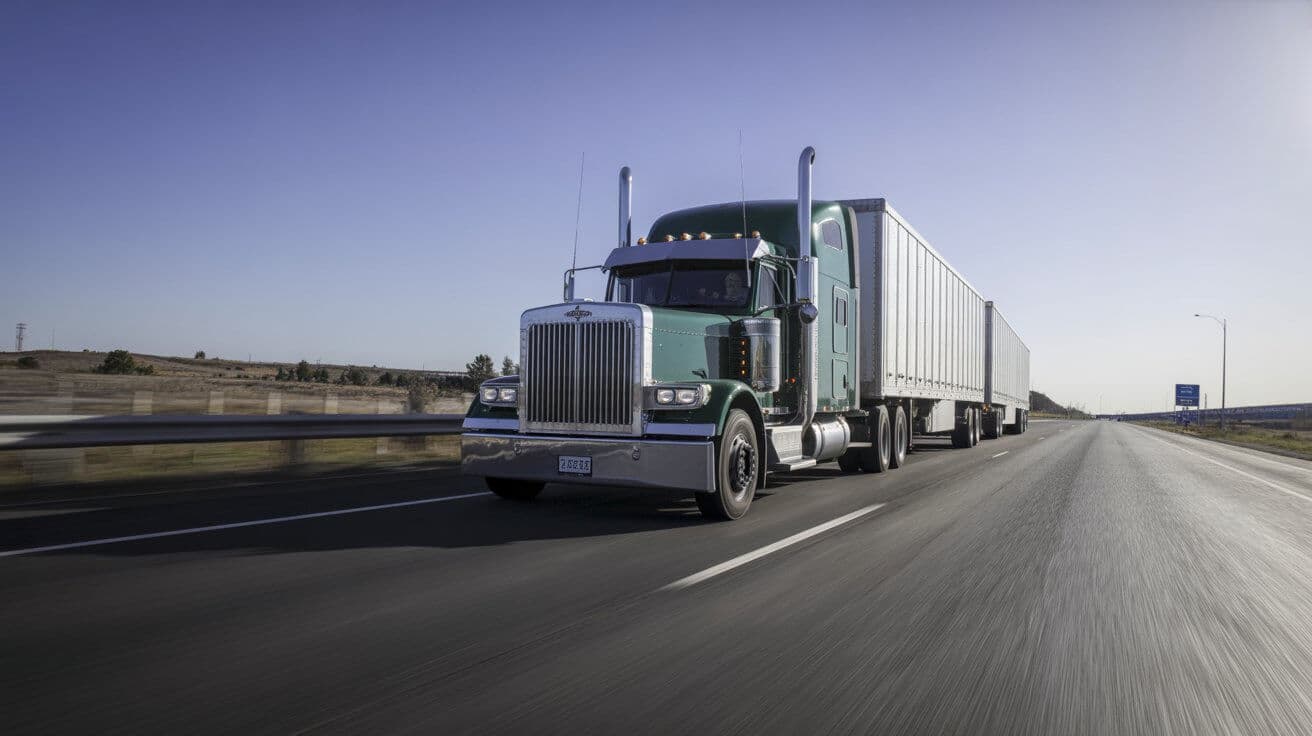
Two upgrades, one afternoon. The Doubles/Triples endorsement adds an entire freight sector to your resume, and clearing the air brake restriction quietly doubles the jobs you're allowed to take.
On the doubles test, more people trip over the coupling and uncoupling check than anything else on the exam. It isn't hard, but it's unforgiving: miss one locked fifth wheel or one secured air line and you've failed. Drill that sequence until it's muscle memory and the rest of the test takes care of itself.
Some upgrades to your CDL are heavy lifts. These two aren't. The Doubles/Triples (T) endorsement is a single written test that qualifies you to pull multiple trailers, the bread and butter of the LTL (less-than-truckload) giants. And the air brake "L" restriction is the most common mistake new drivers carry on their license without realizing it's costing them jobs.
This guide handles both: the quick endorsement that adds money, and the quiet restriction you need to remove. For the full menu of endorsements, see our CDL Endorsements Guide.
1. The Doubles/Triples (T) Endorsement
The T endorsement lets you pull two or three trailers behind a single tractor. That sounds niche, but it's exactly how the biggest LTL carriers, such as FedEx Freight, Old Dominion, Estes, and XPO, move freight across their networks. Having the T on your license makes you immediately more hireable at those companies.
Why It's a Quick Win
- It's a written-only test with no background check and no fingerprinting.
- It has one of the lowest difficulty levels of any endorsement exam.
- It opens regional and team lanes at carriers that pay well and run consistent freight.
What the Test Covers
The exam pulls from the doubles/triples chapter of your state CDL handbook: coupling and uncoupling multiple trailers, inspecting the connections, managing the increased "crack-the-whip" effect in turns, and the rules for converter dollies. The handling concepts overlap heavily with your pre-trip knowledge, so brush up with our Pre-Trip Inspection Guide.
Exam Tip: The test loves the "crack-the-whip" question. The rear trailer of a set swings far more violently than the tractor. Know why, and know how to prevent rollover by steering gently and early.
2. The Air Brake "L" Restriction (The Silent Job-Killer)
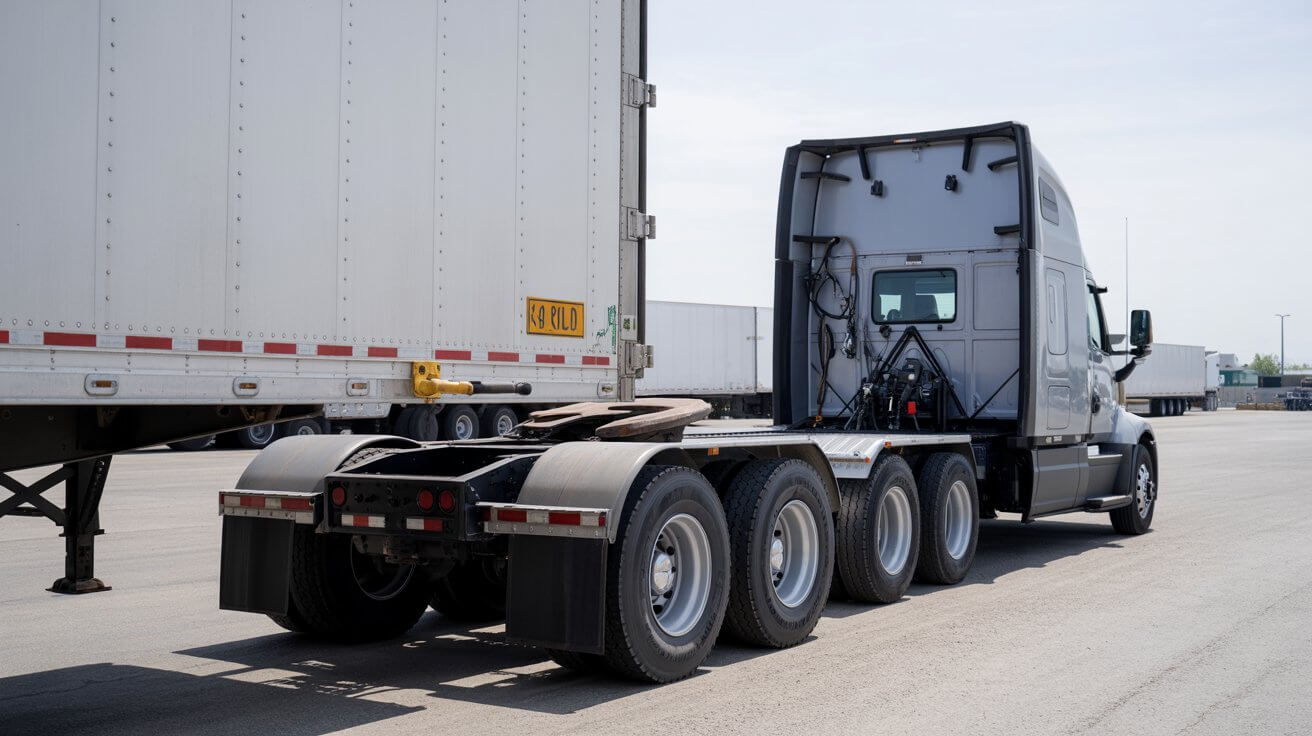
This is the one that quietly wrecks careers. If you take your CDL road test in a vehicle that does NOT have a full air brake system, for example one with hydraulic brakes or a vehicle the examiner deems incomplete, the state stamps an "L" restriction on your license. That restriction legally bars you from operating any commercial vehicle equipped with air brakes.
Why This Matters: Nearly every tractor-trailer in the country uses air brakes. An L restriction can eliminate the majority of trucking jobs in a single line of text, and many new drivers don't even notice it on their license until a recruiter points it out.
How to Remove the L Restriction
Clearing it is straightforward. You must:
- Pass the air brakes knowledge test, a written exam on the air brake system.
- Pass the pre-trip inspection on a vehicle equipped with air brakes, demonstrating the air brake checks.
- Pass the road test in an air-brake-equipped vehicle.
In short, test in the right truck and pass the air brake portions, and the restriction comes off. The air brake knowledge overlaps directly with the permit test, so review the air brakes section in our Permit Test Master Guide.
3. Stack Them for Maximum Hireability
Together, these two moves make you dramatically more employable. The T endorsement opens the LTL carriers, and removing the L restriction makes you eligible for essentially every tractor-trailer seat. Neither requires a background check, and both can be knocked out quickly. When you're ready for the bigger pay tier, layer on Hazmat and Tanker. See our Hazmat Endorsement Guide and Tanker Endorsement Guide.
4. Coupling & Uncoupling: The Heart of the Test
The doubles/triples written test leans heavily on coupling and uncoupling, because a trailer that separates on the highway is a catastrophe. Know the sequence cold.
Coupling the Second Trailer
- Position the converter dolly in front of the rear trailer, or use it where it sits.
- Connect the dolly to the first trailer, then back it under the rear trailer until the fifth wheel locks.
- Check that the fifth wheel jaws are fully closed around the kingpin. This is the single most-tested point.
- Connect the air lines and electrical cables, then raise the landing gear.
- Do a tug test to confirm the connection is locked before you move.
Inspecting the Connections
You'll be tested on checking the safety chains, the air line connections (no air leaks, lines secured), and the locking mechanisms on every coupling point. The rule to remember: more trailers means more failure points, and every one must be inspected. These checks overlap with your standard routine, covered in our Pre-Trip Inspection Guide.
5. What an LTL Doubles Job Actually Looks Like
Most doubles work is LTL line-haul: you run a set of trailers between freight terminals, often overnight, on a consistent lane. The appeal is real. Line-haul drivers at the big LTL carriers tend to get regular schedules, predictable home time, and union or near-union pay, which is a different life from irregular over-the-road truckload work. The trade-off is the night shift and the skill of handling a set of trailers in reverse, which takes practice. If you value routine and steady pay over variety, an LTL doubles job is one of the most livable seats in trucking. Compare the lifestyle honestly against other paths in our Truck Driver Salary Reality guide.
6. The Other Restrictions You Should Know
The air brake "L" restriction gets the most attention, but it's not the only one that can shrink your job pool. Since restrictions all come from how and what you tested in, it's worth knowing the full set.
| Code | Meaning | How You Got It |
|---|---|---|
| L | No air brakes | Tested without a full air brake system |
| Z | No full air brakes | Tested on air-over-hydraulic brakes |
| E | No manual transmission | Tested in an automatic |
| O | No tractor-trailer (fifth wheel) | Tested without a fifth-wheel connection |
| M / N | Passenger vehicle size limits | Tested in a smaller passenger vehicle |
The "E" restriction catches a lot of new drivers off guard. As more schools train on automatics, drivers test in automatics and end up barred from manual rigs, which some carriers still run. If a manual matters in your market, test in one. The fix for L, Z, and E is the same: retest in a vehicle without the limitation.
Frequently Asked Questions
What is the L restriction on a CDL?
The "L" restriction bars you from driving any commercial vehicle with air brakes. You get it if you take your road test in a vehicle without a full air brake system. You remove it by passing the air brake tests in an air-brake-equipped truck.
Is the Doubles/Triples endorsement hard?
No. It's a written-only test with one of the lowest difficulty levels of any endorsement, with no background check required.
Which companies want the Doubles/Triples endorsement?
LTL carriers such as FedEx Freight, Old Dominion, Estes, and XPO rely on multi-trailer sets, so the T endorsement makes you more hireable with them.
The fees, distances, and procedures in this guide were fact-checked against FMCSA regulations and your state CDL manual and last reviewed in June 2026. Fees and state-specific steps change, so always confirm the current details with your state DMV before you apply.
The Bottom Line
The Doubles/Triples endorsement is cheap freight-sector access, and clearing the air brake restriction is non-negotiable if you want a real shot at the job market. Both are quick written-test wins with no background check, so handle them before you start applying.
Your Action Plan:
- Check your license right now for an "L" restriction.
- If present, pass the air brake tests in an air-brake-equipped vehicle to clear it.
- Study the doubles/triples chapter and pass the T written test.
- Apply to LTL carriers with both upgrades on your license.
Ready to start? Find schools with air-brake-equipped training trucks in our CDL school directory, or compare every endorsement in our CDL Endorsements Guide.
External Resource: Official FMCSA Endorsements & Restrictions.
Ready to Find CDL Schools?
Search for CDL training programs in your area. Start your journey to becoming a professional truck driver today.
Find CDL Schools Near YouRelated Articles

Passenger (P) & School Bus (S) Endorsements (2026): The Class B Driver's Path
The P and S endorsements turn a Class B license into steady, often-unionized work with paid training. The real guide to the tests, the background check, and the jobs.
Tanker Endorsement (N) Explained (2026): Surge, Pay & the X Combo
The Tanker endorsement is a written test with no background check that pays nearly as well as Hazmat. Learn surge and baffles, why it pays, and how to stack the X combo.
TWIC Card Explained (2026): Cost, Timeline, Disqualifying Offenses & Hazmat
Do you actually need a TWIC card? The straight answer on cost, how long it takes, what disqualifies you, and how it overlaps with the Hazmat endorsement.